
A leading train operator approached our team at QUAD I, searching for a solution to address one of the rising complaints amongst the passengers, the comfort level of seats on UK trains. In response, our team at QUAD I provided a solution to help the train operator address these concerns.
The main objective of this project was to conduct an in-depth analysis of how individuals interact with and apply pressure to train seats, and to understand the loading and unloading of the seats with subjects of different sizes to assess seat loading at different stages of the seat’s life. By examining the dynamic forces involved, we aimed to gain valuable insights into the performance and durability of the seats over time. Also, research was conducted on 8 different types of cushions to understand which one was the most comfortable and see which design should be implemented in their future trains.
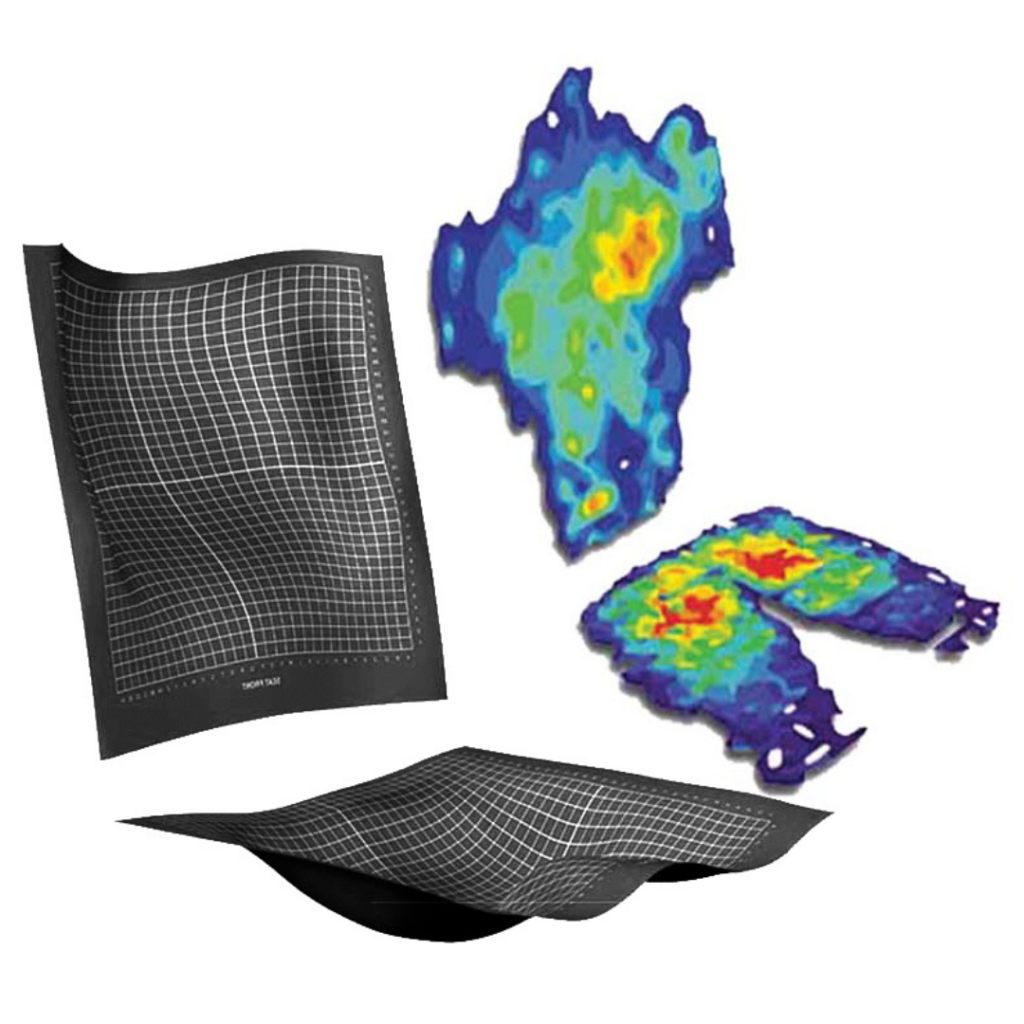
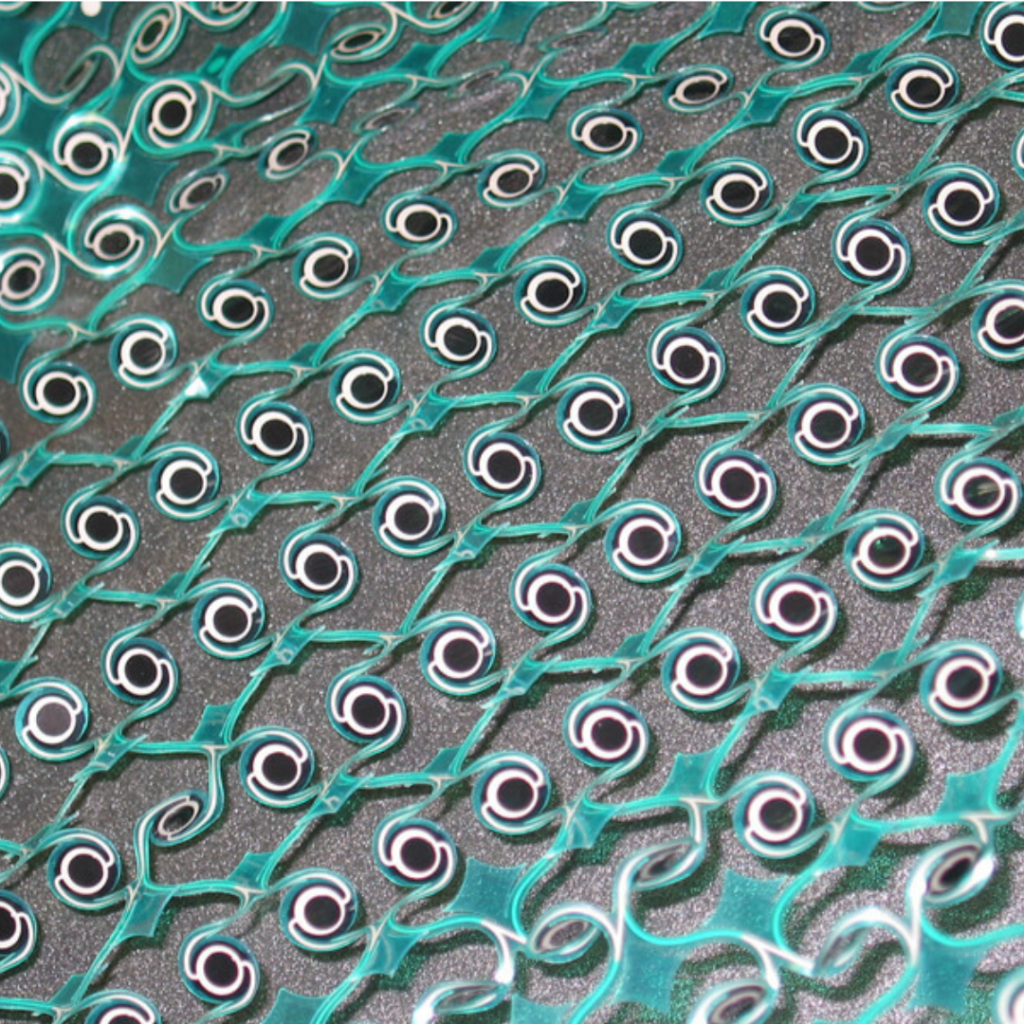
To conduct this test, we used the CONFORMat™ from Tekscan, which is a seating and positioning system. It allowed us to understand the loads and peak forces in specific areas. By identifying regions that create concentrated pressures, our system highlights where relief is needed. The CONFORMat™ features over 2,000 individual sensing elements (sensels) that provide accurate, high-resolution readings, and it’s by far the best solution for this application.
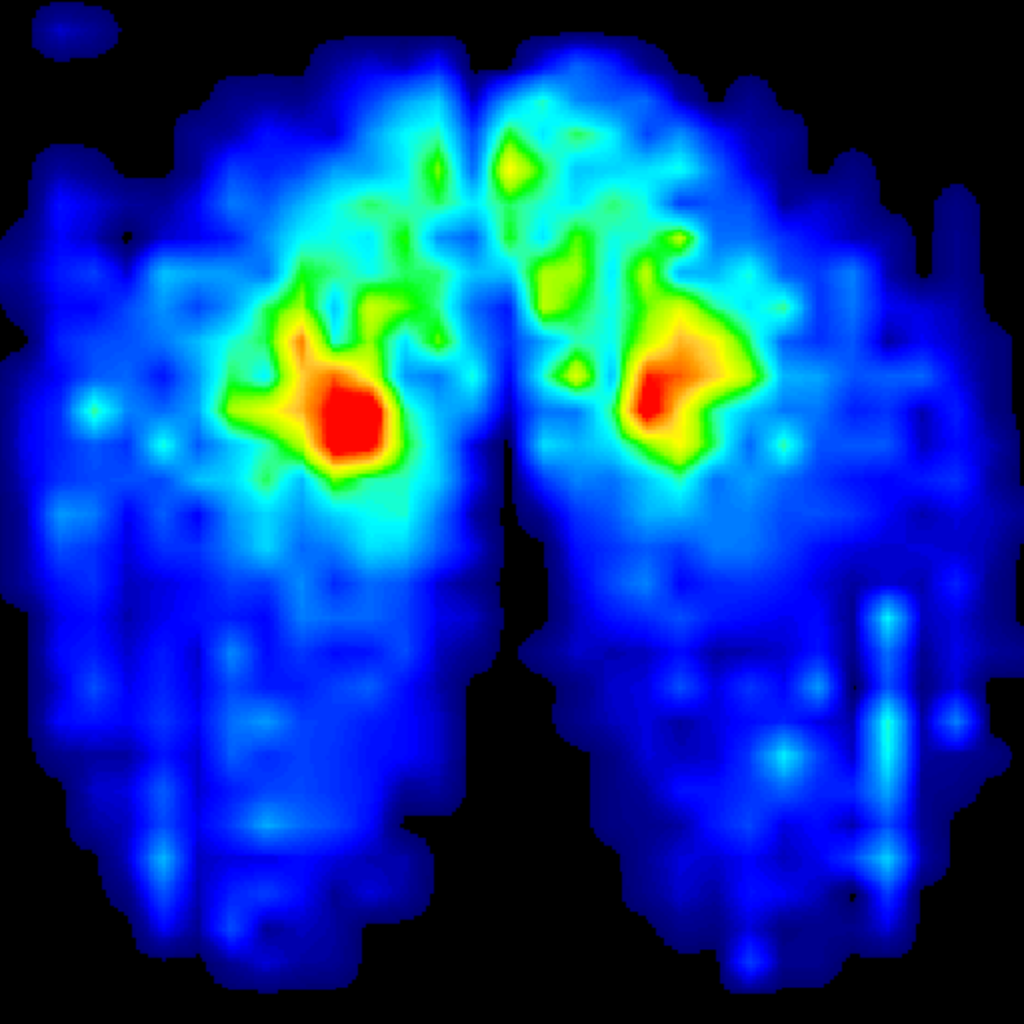
In this cushion study, eight individuals of varying sizes participated in tests to evaluate different types of cushions for comfort. The results showed that seven out of the eight participants found one specific cushion to be the most comfortable. The CONFORMat™ system enabled the train operator to assess all the cushions and visually identify areas where pressure was concentrated. This analysis helped to understand why certain cushions were deemed uncomfortable. It is crucial not only to conduct tests and ask the individual to complete a survey to determine comfort levels, but also to analyse the data and visually see the pressure to pinpoint the specific areas that cause discomfort.
This data enabled the train company to assess the results and determine the appropriate firmness and cushioning to be developed, as well as to optimise the seat design for future models, ultimately resulting in a more enjoyable travel experience.